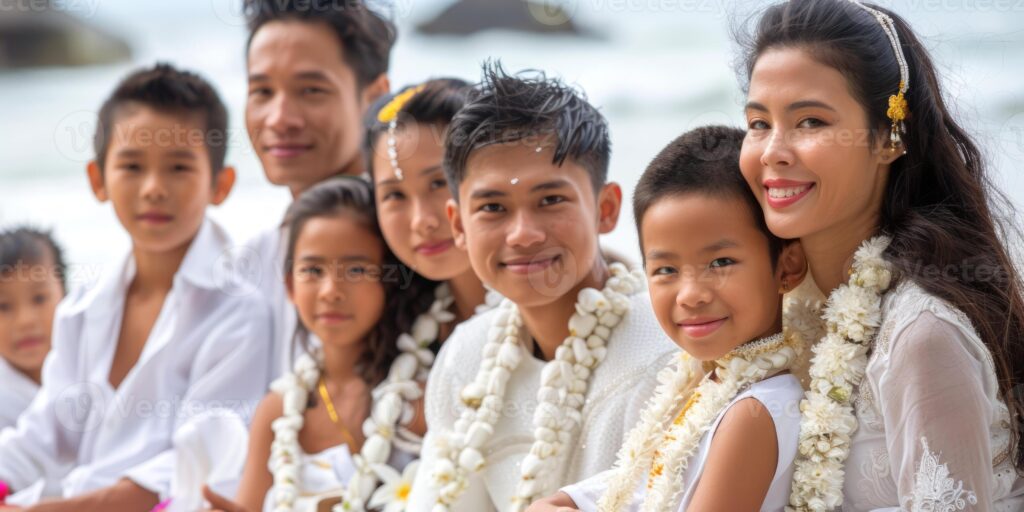
From friendly to fearful – the hidden meanings of Thailand’s 12 types of smile and what they reveal about the culture
The Thai Smile

The world always looks brighter from behind a smile
Lanna, the northern part of Thailand, is known as the land of a million rice fields. After you have read this post, you may want to call Thailand the land of a million smiles. The Thais, like many people in the Far East, are often described as inscrutable because they don’t show their emotions.
In the West, a smile always indicates pleasure. In Thailand, you cannot make that assumption. The Thai smile can express many emotions, not just that the person is pleased to see you or meet with you. For example, a smile in a club or disco is not necessarily a come-on. Far from it.
Let’s look at the different types of Thai smile
The Smile Friendly: is merely a polite welcoming smile and no more. Enjoying life and having sanuk (fun) are central to being Thai. Why be too serious? This smile says that the person is happy and contented with life. Smiling comes naturally to Thais. They seem born with smiles on their faces.
The Smile Humorous: We all smile when we hear a good joke. The Thais are no exception. They love double entendres and clever wordplay. Sarcasm is less common in everyday speech, partly because of their polite nature. An unwillingness to throw direct insults. Some people, particularly young girls, will put a hand over their lower face in a show of shyness and modesty.
The Smile Mai Pen Rai: Motorcyclists collide on Thai roads every day. If there’s no grave injury or damage, the riders will just get up, brush themselves off, smile, and go on their way. Mai pen rai – it doesn’t really matter. It’s not important.
The smile defuses any tension in the situation. In the West, we might not get angry over a few negligible scratches. But we certainly wouldn’t be smiling. For Thais, however, this response is instinctive. Why waste energy on anger when the moment has passed? Why carry frustration forward when you can simply let it go?
Mai pen rai is the Thai philosophy of graceful acceptance. A waiter brings the wrong dish? Smile. A bus breaks down mid-journey? Smile. The rain ruins your carefully planned day out? Smile. There is no sense in crying over spilled milk – or, in this case, over a dented motorcycle. The smile says: Life is imperfect. I accept that. And I am still happy.
It is not resignation. It is resilience, wrapped in gentleness.
The Smile of the Freedom-Loving: Thais value their personal freedom to an extent that can baffle Westerners. Appointments will often go unkept. Deadlines will be missed. Jobs that were promised may simply never materialise. And when you gently raise the matter, you are met with a smile – warm, unapologetic, and utterly immovable.
This is not laziness or incompetence. It is a deeply held conviction that no person, no contract, and no calendar should have the power to restrict one’s autonomy. The Thai doesn’t wish to be rude; they simply refuse to be tethered.
If a better opportunity arises – a friend calls, the weather turns fine, or they simply no longer feel like working – they will follow their instinct. The smile that accompanies this is not an apology. It is a gentle declaration: I am free. You are free too. Why would either of us want to change that?
To the Western mind, this can feel like unreliability. To the Thai, it is the natural order of things. Freedom is not something to be earned or scheduled; it is something to be lived, in every moment, with a smile.
The Smile Downhearted: A police officer fines you for not wearing a seat belt. He smiles and salutes you. You smile and pay up. For Thais, despondency carries no sense of dejection or despair. As a Westerner, you probably wouldn’t see any point in crying over spilled milk after such an incident, but I doubt you’d be very happy about it.
The more you get to know Thais and the more you visit Thailand, the more you’ll notice that they come across as having enormous outward self-confidence. Thais have big egos. A tendency to believe they are always right. Rarely will they apologise for their mistakes. They may even try to blame you.
The Smile of the All-Knowing: On two separate occasions, an electrician told me there was no need for an earth wire because, as he put it, “electricity is different in Thailand.” He smiled as he said it – a smile that carried absolute certainty.
This particular smile can come across as patronising, even a little arrogant. Yet it’s rarely intended to wound. Thais take profound pride in their nation’s unique history: they say they were never colonised, never forced to accept foreign ideas at the point of a gun.
That pride, however, can curdle into a quiet conviction that Thai ways are simply superior. That outsiders, for all their sophistication, do not truly understand how things work here.
The smile of the All-Knowing is the smile of a people who have always done things their own way. It can make their thinking appear somewhat inward-looking. An inability to think outside the box. But it is also, in its own way, a declaration of resilience: We survived. We thrived. We know what we are doing.
Has Thailand Been Colonised?
The following link, updated in June 2026, shows how the Chinese have already infiltrated, in effect colonised, Thailand. It’s a long in-depth article but perfectly accurate. The influence in government and big business is clear.
When I lived in Bangkok, I became friendly with my neighbour, a successful small businessman who exported canned fruit to England. We often had dinners together. The dining room was typically Chinese with a “lazy Susan” table, and Chinese religious figures everywhere.
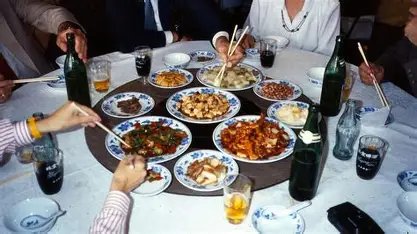
On one occasion, I asked his wife whether she considered herself Thai or Chinese. She didn’t answer my question immediately. That delay was significant. I already had my answer.
“I have a Thai name, a Thai ID card. But, yes, I’m Chinese. I feel Chinese.”
The Smile Automatic: Smiling comes naturally to Thais. They seem born with smiles on their faces. If there is a choice between smiling and not smiling, they will choose smiling every time. They see no reason not to smile. It’s an automatic reflex. They smile whenever they are speaking to you. You shouldn’t read as much into it as you would in the West.
If a Thai doesn’t want to do what you ask him, he’ll smile automatically. It’s his natural response. You may have to be more direct or more persuasive. Or, be long-winded to avoid coming across as too serious or annoyed. Introduce some friendly humour into the conversation. Engage in a little sweet talking – poot wan – get him on side, and try again. This time with a smile of your own.
The Smile Apologetic: Thais won’t usually give a formal apology if they do something wrong or have made a mistake. What you’ll get is the smile apologetic. Take that as an apology. It’s the Thai way of saying, “I’m sorry.” Try not to feel insulted and annoyed, as you would if someone gave you such a smile back home.
Smile back. If they’ve made an error, discuss how it can be resolved. Stay calm, keep smiling, and avoid showing anger or raising your voice.
Thais do things slowly. They try to avoid a war of words and will search for compromises. When they make what we consider an inexcusable gaffe, they’ll smile. But they won’t want to talk about it and lose face.
Smiling at the Los Angeles Airport:
Khun Suchart was tired and jet-lagged when he arrived at Terminal 5 at Los Angeles International. He inadvertently picked up the wrong suitcase from the carousel and started walking off with it to the customs desk.
The farang next to him called out, “Hey, you Thai. What are you doing with my suitcase? Can’t you see it has my name on the tag?”
The Thai looked down and saw that, although it was the same brand and colour, it was indeed not his case. Suchart smiled.
“I don’t know why you’re smiling. It’s not a smiling matter.”
A true and characteristic example of how Thais and Westerners see smiles differently. Suchart returned the case but did not say anything. He apologised by smiling. The farang did all the talking.
The Smile of Embarrassment: When a Thai is self-conscious or feels a little nervous, he can use the smile of embarrassment to mask his real feelings. There’ll be no conversation when this smile is displayed. He doesn’t know how to get around the difficulty he is in.
He wants to show greng jai and avoid conflict. He needs the situation to go away. It would not be unusual for him to walk off. He may want some time to think things over. He may even change his mind; but he will not do so that quickly. He certainly won’t let you know straight away as that would be a major loss of face. He might address the problem from a different angle.
Thais will sometimes use an intermediary to mediate on their behalf. A close mutual friend may suggest a compromise or solution. Sometimes a monk or the village headman will get drawn in. In the past, many small villages had a cao khtoe, an adviser on family matters such as marriage disagreements or other personal matters. Petty thefts and land disputes were dealt with by him.
This way of resolving an issue can be a little trying to a farang who is more used to sorting out mix-ups when they occur. Thais frequently complain about how stern and impatient Westerners can be. When you encounter the smile of embarrassment, just smile, deal with it the way they do. Time is not crucial or important to a Thai. While Mexicans embrace the concept of mañana, the Thai does so with even less urgency.
The Smile of Misunderstanding: When a Thai hasn’t a clue what you’re talking about, he’ll smile. It’s frustrating but smile back and repeat the question slowly. Try using hand gestures. Try phrasing the question in a different way.
The Smile Encouraging: If you’re in a group but not really participating in the conversation, a Thai may give you the smile encouraging. An invitation to join in the talking, even in your broken Thai or with hand or body gestures. It happens a lot when one member of a group is perhaps being a little quiet. The smile means, “I am not making a threat” and is intended to win your confidence and put you at ease.
Be careful, though, because scammers and confidence tricksters use this technique to their advantage.
The Smile of Sadness: Thais smile with sympathy when they are sad or giving bad news, an almost mechanical response they are taught from a very early age so that they don’t show their feelings publicly.
The English have their stiff upper lip; the Thais have the smile. In The End of a Life, we see that smiles don’t have the same connotations as in the West. No one in the family was happy that Dta Sompet had died but that didn’t stop anyone from having a smile on his face. The smiling was not disrespectful; it was compassionate.
This comment, made by a Thai to a farang, was overheard at a Bangkok cremation service.
Why do you look so sad? This is a funeral. You believe he’s gone to a better place, don’t you?
Well, yes, I suppose I do.
Then why are you not smiling?
A different culture. A different attitude.
Being in pain does not suppress the smile. A road accident victim, bleeding profusely, will smile at the ambulance crew when they arrive. The Thai sees no reason to appear sad or unhappy, whatever the circumstances. He is thinking practically. He’s on his way to hospital where he will be taken care of.
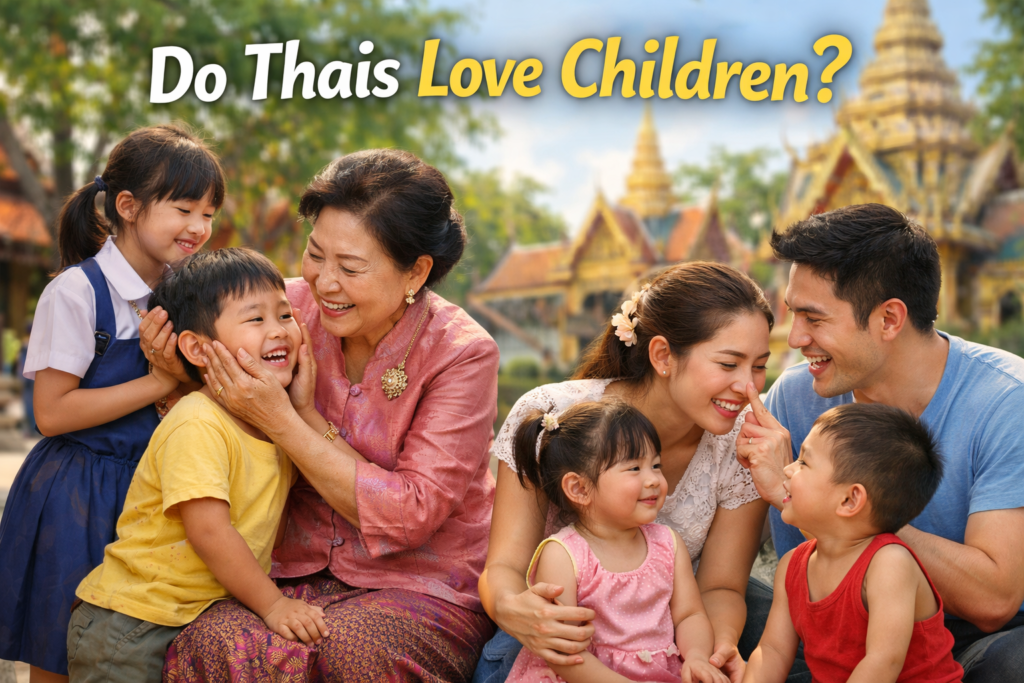
The world always looks brighter from behind a smile
In Thai Smiles — More Examples we’ll go deeper into what happens when you get these smiles wrong – and how to smile back the right way.
Some of the Posts on My Website
https://understanding-thailand.com/my-published-posts/
A Short History of Thailand
Outline of Thailand – Wikipedia
© Matt Owens Rees May 2026
The content and final editing remain my own.