How Thai villagers rebuilt Yai’s fire-destroyed home. Men, including the village headman, formed a human chain passing cement buckets. Women performed light tasks and kept everyone fed and hydrated. After work, whiskey drinking with laughter, jokes, and fast talking in the Lanna dialect. Neighbours brought a rocking chair and other furniture after Yai made some less than subtle hints about what she wanted.
Progress at Khun Yai’s Home.
Good Progress Being Made
Building is progressing on Khun Yai’s home. The main columns have been erected. Some of the men are helping the local builders. They fetch and carry materials.
The ladies are making sure nobody goes thirsty in the heat. Some do light work whenever they can. All are offering advice to the builders, whether asked for or not. The men just smile.

The area under the house is known as a sanitaire vide, a cool open space which stops the sun from heating up the house floor.
When not helping, the neighbours are chatting amongst themselves. They chat with the family too. That is what is appreciated the most. Just being there for Khun Yai.
The locals gathered at Khun Yai’s again today. It has become a regular meeting place. The women potter around and start preparing food for lunch. They make sure all the volunteer workers have drinking water and bring hats round when it gets hot or rains. Awnings and chairs have been provided from the local wat.
The Talking Got Faster
As with all drinking sessions, the more you drink, the faster the talking. And when the workers at Khun Yai’s home speak in the Lanna dialect, I get lost completely.
I tried making a joke in my imperfect Thai to get back into the conversation.
Delicious food in Thai is “aroi dee“. I referred to the noodles we were all served as “aree doi”. A completely meaningless expression. But everyone laughed. It’s a common joke in Thailand.
The Chain Gang
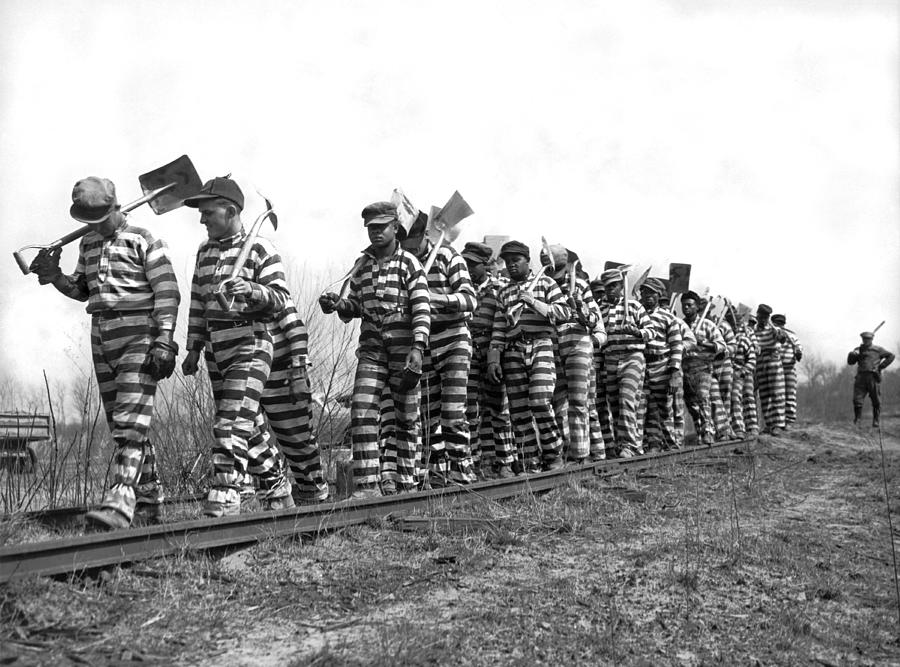
Very tired and exhausted now. Spent the day as a member of the “human chain” moving buckets of cement. We were helping the guys lay the floor of Khun Yai’s house. Eighteen men, all volunteers.
They see it as being neighbourly. A normal activity for this small community.
As ever, there is a jolly laid-back attitude when we’re working. Laughing and joking is the order of the day.
With so many people in the chain, the full buckets and empty ones move rapidly.
It’s labour intensive yet efficient.
The guy standing two to my left started passing empty buckets, instead of those containing cement, along the line. It was little joke and we all started laughing. We threw the buckets aside and then continued sending full buckets along the chain!
Teamwork
Thais like working together. That implies teamwork and helping one another. But, they are also intensely individualistic and love personal freedom. They like doing things their own way. That’s the exact opposite of working as a team.
Thais socialise a lot at festivals in the wat, house-warmings, weddings, and funerals. Working at Khun Yai’s home was really a social event to be enjoyed with friends and neigbours. Working was secondary.
If you’re invited to a neighbour’s home, you’ll find many others invited too. Thais meet and entertain in groups. Better than staying in their own homes.
Our Village Headman
The pooyaibaan worked alongside everyone else, not standing on ceremony. He wore ordinary working clothes, nothing like his official white uniform. Only when his clerk came round did he stop for a few minutes. As village headman, he had to sign some official documents.
We had lunch together, the meal provided by the women folk. They sat at separate tables though, and kept an eye on the dishes.
Back to Work
Just twenty minutes and then back to the human chain. Every now and then, they’d bring us water. Sometimes helping in like tasks. For example, they collected the empty buckets we had thrown away after the guy next to me had made his little joke.
We got to a convenient point to finish at 2.30. Everyone cleaned up and settled down for whiskey and more food. Maybe in the West we’d have found a few more jobs to do. We’d have broken off around four o’clock or so.
My glass got refilled a few times. The tradition is to keep your glass full unless you say you’ve had enough.
I really wanted to get back home, as we had finished for the day. You have to be ready to give a firm “no thanks” sometimes.
The Hint Worked
Yai had been making some not so subtle hints: “I miss my favourite rocking chair“, “I’ve nowhere to put my nighttime drink before I go to bed“
The hint worked, of course. Within two days, three wooden chairs appeared on the veranda. Then a small table. Then a rice cooker. The community kept giving. Nobody kept score. That’s not how it works here.
I went round yesterday evening. The sun was low, the heat had broken. Khun Yai sat on one of the new chairs, fanning herself. Her daughter brought out glasses of cold water. The conversation drifted. Nobody mentioned the fire. Nobody needed to.
Quiet Persistence
What strikes me most, after all these weeks, is the quiet persistence of it. Not the grand gestures. The small ones. The neighbour who comes by just to sit. A friend bringing a bag of oranges. The one who sweeps the veranda without being asked.
Back home, we’d have sent a good luck card. Maybe a voucher. Then we’d move on. Here, they stay. They keep coming. They don’t call it charity. They call it what it is: being neighbours.
The Pooyaibaan’s Visits
The pooyaibaan still drops by most days. He doesn’t stay long. Just checks in. Asks if there’s anything she needs. Sometimes he brings his wife. She and Khun Yai talk about the garden. The new one, not the old one. The old one is gone. They don’t talk about that.
The Bank Money
Khun Yai’s daughter told me the bank money came through. The full amount for the charred notes. She smiled when she said it. Not a relieved smile. Just a smile. The same smile I saw on the first day, when everything was ash and smoke.
I asked her once, early on, how she stayed so calm. She looked at me like I’d asked something strange. “What else would I do?” she said. “Cry? The house would still be gone.”
What the Thais Understand
That’s the thing about Thais, I think. They don’t dwell on bad misfortune. Thais refuse to let it bother them.
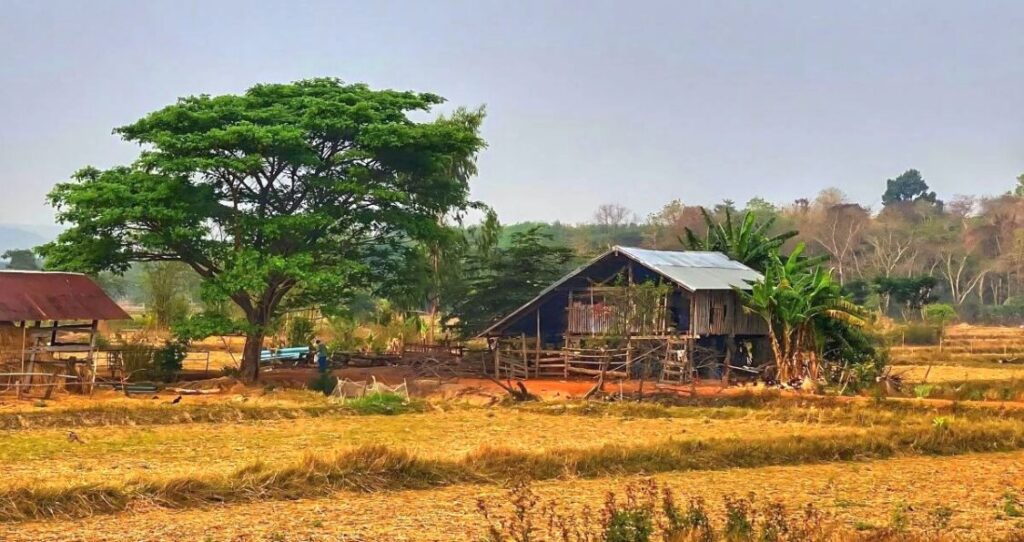
The new house isn’t grand. It’s a simple Thai house. Wood and concrete. A roof that doesn’t leak. Walls that stand straight. It’s more than she had three months ago. Yai is happy there now.
The Laughter
Tonight, when I left, she waved from her chair. Her daughter, her niece, and another neighbour who I didn’t recognise were laughing about something. I didn’t catch the joke. It didn’t matter. The sound of it followed me down the lane.
What I Learned
I thought about what I’d learned. About the Thai response to helping those in need. To striking a balance between being serious and having fun, sanuk, while working.
This village community will never change. The culture of always being there for other villagers has been in Thailand for decades and will remain for many more decades.
And more importantly, Westerners must try to fit in to Thai culture. Make the first move. A shy people, you’ll have to work hard to get accepted. And let’s be honest, for Thais the words patriotism and xenophobia don’t have different meanings.
Thai Rak Thai was not just the name of Thaksin’s political party. It was and still is how Thais feel about themselves and their relationships with foreigners. Foreigners will always be in second place.
The Real Story
Khun Yai’s house is standing again. But that’s not the story. The story is the friends and neighbours who rallied round when help was needed. Buckets of cement passing along a human chain. The spontaneous meals. Glasses of whiskey being constantly topped up.
That’s what I’ll remember. Not the fire. The response to it.
How the Fire Started
https://understanding-thailand.com/fire-destroys-village-home/
An example of Thai building standards
https://www.bangkokpost.com/thailand/general/3060722/bangkok-building-collapse-tied-to-construction-and-design-flaws
Some Future Posts
Starting on 7 July a series on Driving in Thailand. And a short summary on how to stop DeepSeek (the best of the uncontrolled AI companies) changing a writer’s text.
The content and final editing remain my own.