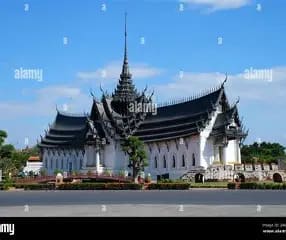
Thailand and England present untold truths in their political and cultural journeys.
Thailand England Untold Truths. The real nature of ประชาธิปไตย (democracy) in Thailand is rarely challenged. What’s talked about privately is that 60% of Thais want changes to the constitution.
Not abolition of the monarchy but change. Keep the ceremony. No interference by the military or the unelected senate in the wishes of the voting electorate.
England’s constitutional monarchy evolved alongside parliamentary sovereignty. The contrast is stark: one system leans towards feudal traditions, the other towards parliamentary accountability.
These Thailand England Untold Truths show how political persons and events are inseparable from cultural context.
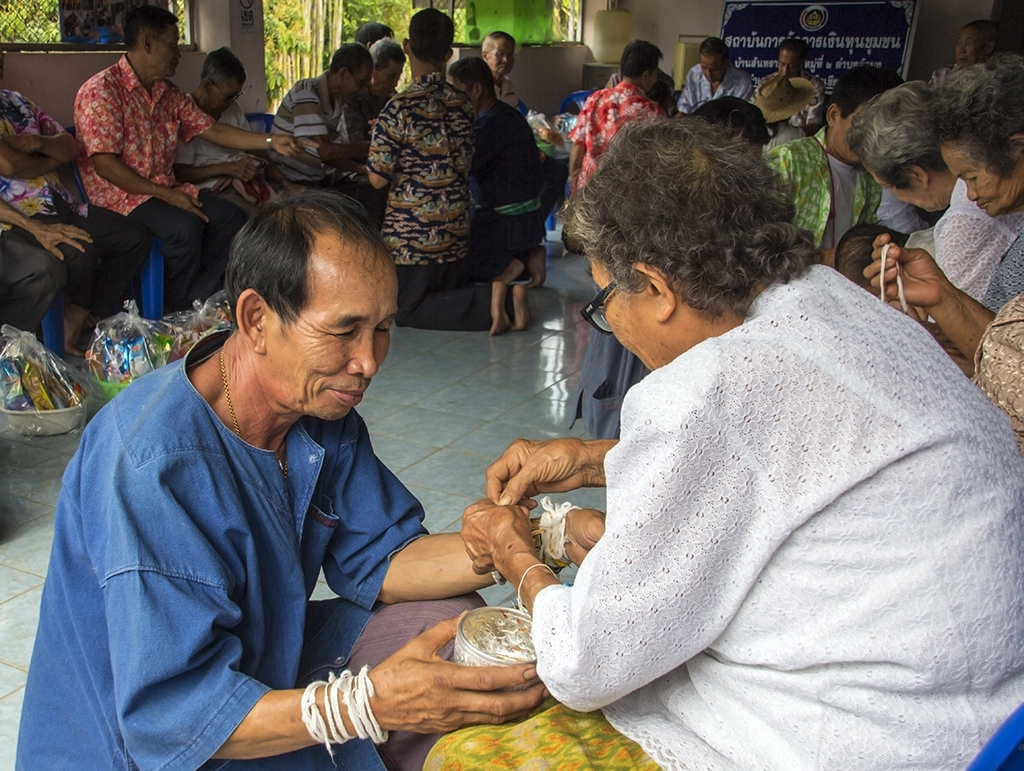
Traditions such as Songkran, which reinforce respect for elders, coexist with modern political debates. Illustrating how culture and politics remain intertwined.
As Dr Matt Owens Rees questions if Thailand’s monarchy will remain absolute in influence or move closer to England’s constitutional model.
Fact‑checking sources such as BBC News and Bangkok Post confirm that while both nations retain monarchies, their trajectories diverge sharply.
The cultural region of Southeast Asia thus offers a case study in how traditions, politics, and education intersect. And, raising the question of whether democracy can thrive without dismantling feudal structures.
The interplay between monarchy and democracy in Thailand and England reveals how cultural traditions shape political realities.
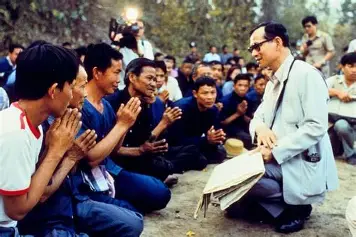
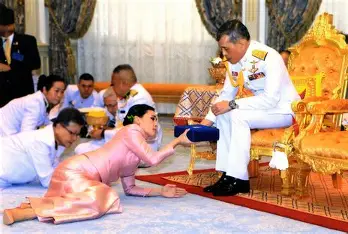
In Thailand, ราชาธิปไตย (monarchy) remains a powerful symbol, reinforced by rituals and ceremonies that emphasise hierarchy.
England’s monarchy, by contrast, has been largely ceremonial since the Glorious Revolution, with constitutional limits defining its role. This divergence illustrates how culture can either constrain or enable political reform.
Scholars at King’s College London argue that constitutional monarchy in England has become a stabilising force. Thai politics often oscillates between military intervention and popular protest.
Political persons and events continue to underline these differences.
For example, the dissolution of the Future Forward Party in Thailand in 2020, and the rise of Move Forward. Thus demonstrating how political parties are reshaped by institutional pressures.
In England, the Conservative Party’s leadership contests, most recently involving Rishi Sunak, highlighted how parliamentary systems manage succession. It destabilised the state.
These examples show how political events are inseparable from cultural context. They show how traditions influence the resilience of democratic institutions.
Dr Matt Owens Rees observes that education plays a decisive role in sustaining these systems. Thai curricula often emphasise loyalty to the monarchy, while British schools encourage critical engagement with politics and history.

Fact‑checking sources such as Reuters and The Guardian confirm that propaganda and civic education remain contested in Thailand. Whereas in England, education is seen as a cornerstone of democratic culture.
The cultural region of Southeast Asia thus provides a vivid case study in how monarchy, politics, and education interreact. Studies raise questions about whether democracy can thrive alongside entrenched traditions.
The question of whether democracy can coexist with entrenched traditions is not abstract. In Thailand, เสรีภาพ (freedom) is often framed through cultural obligations rather than individual rights.
Respect for elders, deference to authority, and ritualised hierarchy remain central to social life. England, by contrast, has long emphasised individual liberties.
The West has Magna Carta and it’s reinforced by parliamentary practice. This cultural divergence explains why democracy in Thailand is frequently contested. In England, it is broadly accepted as the default political framework.
Academic sources from Thammasat University note that Thai civic culture often prioritises harmony over dissent, which can limit democratic participation.
Political persons and events illustrate this dynamic. The 2020 youth‑led protests in Bangkok demanded reform of the monarchy and greater freedoms. They were met with resistance from both government and conservative institutions.
In England, protests such as those against Brexit policy were absorbed into parliamentary debate. Showing how dissent can be channelled into institutional processes.


The cultural context of Southeast Asia, where monarchy and military influence remain strong, contrasts with England’s reliance on parliamentary sovereignty.
These differences highlight how traditions and political structures interact to shape the lived experience of democracy.
Dr Matt Owens Rees argues that the role of education is decisive in this contest.
Thai curricula present monarchy as the cornerstone of national identity. British schools encourage students to question authority and engage critically with politics.
Fact‑checking sources such as Human Rights Watch and The Economist confirm that freedom of expression remains restricted in Thailand.
In England it’s protected by law and custom.
Related traditions such as respect for elders and ritualised hierarchy continue to reinforce cultural expectations in Thailand. Making the pursuit of democracy a complex negotiation between tradition and modernity.
Monarchy and Constitutional Reform
The monarchy remains the most contested institution in Thailand’s political landscape.
รัฐธรรมนูญ (constitution) has been repeatedly rewritten, often following military coups, reflecting the fragile balance between monarchy, military, and democracy.
England’s constitutional monarchy, by contrast, has remained stable for centuries. Reforms such as the Bill of Rights of 1689 and the gradual expansion of suffrage embedding democratic principles into law.
Scholars at Cambridge University argue that England’s monarchy has survived precisely because its powers were curtailed. Thailand’s monarchy continues to wield symbolic and cultural authority that shapes politics.
Education in Thailand and England
Education remains decisive in sustaining democracy. Thai curricula emphasise loyalty and harmony, discouraging dissent and limiting civic participation.
England’s schools encourage debate and critical thought, embedding democratic practice early.
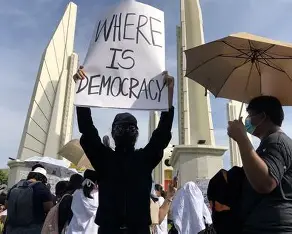
Protests in Bangkok are met with suppression, reinforcing hierarchy and authority. Protests in London are channelled into parliamentary debate, showing how civic culture absorbs disruption into institutional processes.
The monarchy remains the most contested institution in Thailand’s political landscape. รัฐธรรมนูญ‘ constitution has been repeatedly rewritten, often following military coups, reflecting the fragile balance between monarchy, military, and democracy.
England’s constitutional monarchy, by contrast, has remained stable for centuries. Reforms such as the Bill of Rights of 1689 and the gradual expansion of suffrage embedding democratic principles into law.
Scholars at Cambridge University argue that England’s monarchy has survived precisely because its powers were curtailed. Thailand’s monarchy continues to wield symbolic and cultural authority that shapes politics.
Destabilisation and Succession
Leadership contests in England destabilise governance until resolved, creating uncertainty in markets, institutions, and public confidence.
Thailand’s coups destabilise society more broadly, suspending constitutions and rewriting civic norms. Succession crises test institutional resilience in both nations.
England absorbs disruption through parliamentary debate, allowing institutions to manage leadership transitions.
Thailand resets the system through military intervention, rewriting rules and reshaping civic expectations. Succession is managed either within institutions or against them.
Tradition and Modernity
Thailand’s traditions—respect for elders, ritualised hierarchy, deference to monarchy—make democracy a negotiation between modernity and heritage.
England’s traditions—Magna Carta, parliamentary sovereignty, common law—make democracy the default framework. Tradition can constrain reform or enable it.
Both nations show how cultural inheritance shapes political practice. Thailand negotiates democracy through obligations and hierarchy.
England stabilises democracy through liberties and debate. Tradition defines the lived experience of politics.
Global Context
Comparisons with Japan and Spain highlight monarchy’s adaptability across cultures. Thailand’s monarchy remains politically influential, shaping institutions and civic life.
England’s monarchy survives precisely because its powers were curtailed centuries ago.
This divergence shows how reform determines survival. Monarchies endure when constrained by law, but destabilise when powers remain unchecked.
Thailand and England illustrate two trajectories of adaptation.
Case Studies
Thailand’s 2020 youth protests demanded reform of monarchy and freedoms, and were met with suppression. England’s Brexit protests were absorbed into parliamentary debate, showing how dissent can be institutionalised.
Thailand’s Future Forward dissolution reshaped party politics under institutional pressure. England’s Conservative leadership contests destabilised governance but resolved within parliamentary rules. Both examples show politics inseparable from culture.
Conclusion: Democracy and Tradition
Democracy cannot be understood without culture. In Thailand, democracy is contested because tradition emphasises hierarchy and harmony.
In England, democracy is stabilised because tradition emphasises liberty and debate. Democracy is not only political but cultural practice.
Thailand’s future depends on whether monarchy and military influence can coexist with democratic aspirations.
England’s stability depends on whether parliamentary sovereignty can continue absorbing disruption. Both nations remind us democracy is fragile and cultural.
Institutions alone do not sustain democracy. Traditions, education, and civic culture shape resilience. Thailand and England show democracy thrives when culture enables reform, but falters when culture resists.
Religion and Political Culture
Religion shapes civic values in both Thailand and England. Buddhism reinforces hierarchy and respect, aligning with monarchy and military. Anglicanism legitimised monarchy historically but ceded influence to secular institutions.
Thai temples serve as centres of community life, reinforcing loyalty and harmony. Monks often support monarchy, embedding religious authority into political culture. Religion becomes a stabilising force but also a constraint on reform.
England’s Anglican tradition once legitimised monarchy through divine right. Gradually, secular institutions gained prominence, reducing religious influence. Anglicanism remains cultural but no longer defines political legitimacy.
Comparisons highlight religion as ballast. In Thailand, Buddhism sustains hierarchy and tradition. In England, Anglicanism enabled reform by retreating from politics. Religion either sustains or enables change.
Case studies illustrate this divergence. Thai sermons often emphasise loyalty to monarchy. English sermons increasingly focus on community and ethics, leaving politics to Parliament.
Economics and Democracy
Economic structures underpin political legitimacy. Thailand’s patronage networks, rural‑urban divides, and military‑linked business interests shape democracy. England’s industrial revolution, welfare state, and market liberalism stabilise parliamentary democracy.
Thailand’s rural subsidies reinforce patronage politics. Rice schemes and regional development projects tie voters to parties and elites. Economic policy sustains hierarchy rather than broadening participation.
England’s welfare reforms stabilised democracy. Expansion of suffrage and social programmes created legitimacy for parliamentary institutions. Economic inclusion broadened participation and reinforced democratic culture.
Comparisons show economics either entrenches hierarchy or broadens democracy. Thailand’s patronage networks limit reform. England’s welfare state expanded legitimacy. Economic systems define political resilience.
Case studies illustrate this dynamic. Thailand’s rice subsidies tied rural voters to elites. England’s welfare reforms created legitimacy for parliamentary democracy. Economics shapes civic culture.
Economic structures thus underpin democracy. Thailand sustains hierarchy through patronage. England stabilises democracy through inclusion. Economics defines political legitimacy differently across nations.
Media, Protest, and Freedom of Expression
Media landscapes shape democratic resilience. Thailand restricts press, censors dissent, and controls narratives. England sustains free press traditions, investigative journalism, and parliamentary accountability.
Thai media often faces censorship. Coverage of protests is restricted, reinforcing hierarchy and authority. Social media becomes a channel for dissent but faces suppression.
England’s press remains free.
Investigative journalism challenges government, sustaining accountability. Media coverage of protests integrates dissent into parliamentary debate.
Comparisons show media as either tool of control or channel for dissent. Thailand restricts expression. England sustains accountability. Media defines democratic resilience differently across nations.
Case studies illustrate this divergence.
Thai censorship during protests limited coverage. English press coverage of Brexit sustained debate. Media either suppresses or channels dissent.
Media landscapes thus shape democracy. Thailand restricts freedom of expression. England sustains accountability. Media defines resilience of institutions and civic culture.
Law, Institutions, and Legitimacy
Law defines legitimacy in both Thailand and England. Thailand’s constitutions are repeatedly rewritten after coups, reflecting fragile institutions. England’s legal traditions, rooted in Magna Carta, sustain parliamentary sovereignty and democratic stability.
Thailand’s constitutions often collapse under military pressure. Each coup suspends legal frameworks, rewriting civic norms. Institutions remain fragile, legitimacy contested. Law becomes a tool of power rather than a stabilising foundation.
England’s legal traditions endure. Common law, parliamentary statutes, and constitutional conventions reinforce stability. Institutions absorb disruption, sustaining legitimacy. Law becomes a cultural anchor for democracy.
Comparisons highlight law as either fragile or resilient. Thailand’s constitutions collapse under pressure. England’s legal traditions absorb disruption. Institutions define legitimacy differently across nations.
Case studies illustrate this divergence. Thailand’s 2014 coup suspended the constitution, reshaping institutions. England’s Brexit debates tested parliamentary sovereignty but law sustained legitimacy. Institutions either collapse or endure.
Law thus shapes democracy. Thailand sustains hierarchy through fragile constitutions. England stabilises democracy through enduring traditions. Institutions define resilience of political systems.
Courts and Judicial Authority
Judicial authority reinforces legitimacy. Thailand’s courts often align with monarchy and military, limiting reform. England’s courts sustain independence, reinforcing parliamentary sovereignty and democratic accountability.
Thai courts dissolve parties, reshape politics, and reinforce hierarchy. Future Forward’s dissolution in 2020 exemplifies judicial power aligned with elites. Courts become instruments of control rather than independent arbiters.
England’s courts sustain independence. Judicial review challenges government, reinforcing accountability. Courts become guardians of law, sustaining legitimacy. Judicial authority defines resilience of democracy.
Comparisons highlight courts as either instruments of control or guardians of law. Thailand’s judiciary reinforces hierarchy. England’s judiciary sustains accountability. Judicial authority defines legitimacy differently across nations.
International Law and Global Norms
Global norms influence legitimacy. Thailand faces criticism from international organisations for restricting freedoms. England aligns with global norms, reinforcing democratic legitimacy. International law shapes domestic practice.
Thailand’s restrictions on expression attract criticism from Human Rights Watch and UN bodies. Global norms challenge legitimacy, highlighting fragility of institutions. International law becomes external pressure for reform.
England aligns with global norms. Commitments to human rights and international treaties reinforce legitimacy. Institutions sustain credibility globally. International law becomes reinforcement rather than challenge.
Comparisons highlight global norms as either external pressure or reinforcement. Thailand faces criticism. England sustains credibility. International law defines legitimacy differently across nations.
Conclusion: Law and Legitimacy
Law defines legitimacy. Thailand’s constitutions collapse under coups, courts reinforce hierarchy, and global norms challenge institutions. England’s traditions endure, courts sustain accountability, and global norms reinforce credibility.
Institutions define resilience. Thailand sustains hierarchy through fragile law. England stabilises democracy through enduring traditions. Legitimacy depends on institutions absorbing disruption.
Law is not abstract. It shapes lived experience of democracy. Thailand negotiates legitimacy through fragile constitutions. England sustains legitimacy through enduring traditions. Institutions define resilience of democracy.
Readers and followers may like this post about a Thai abbot escaping justice.
https://understanding-thailand.com/thai-abbot-escapes-justice/
Here’s an honest factual account of Thailand during World War II
https://en.wikipedia.org/wiki/Thailand_in_World_War_II


The content and final editing remain my own.