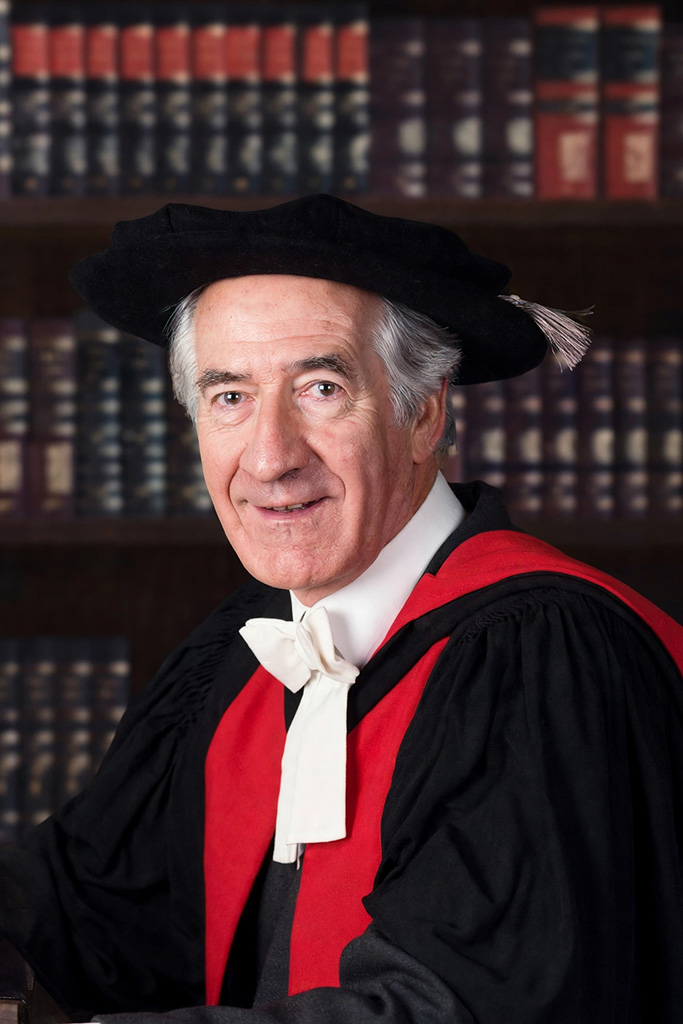
Dhammajayo, Wat Dhammakaya, and the Struggle Between Faith, Power, and Law

Thai abbot escapes justice. Phra Dhammajayo, disgraced leader of Wat Dhammakaya in Pathum Thani’s Luang district, outwits authorities.
Dhammajayo’s story is not only the tale of a monk who rose to prominence. It’s also the story of a temple that became a symbol of modern Thai Buddhism. At the same time, his journey reveals the deep tensions between Buddhism’s spiritual authority, unacceptable institutional power, and the limits of the law.
Readers can learn the Abbot’s history here, https://www.bangkokpost.com/thailand/general/3226763/dsi-drops-phradhammajayo-case
Early life in Sing Buri Province
Chaiyaboon Suddhipol, later taking the name Phra Dhammajayo, was born in Sing Buri province in 1944. His family lived modestly, shaped by rural Thai traditions. Childhood experiences instilled discipline and respect for Buddhist values. These early influences guided his later spiritual path.
Chaiyaboon studied at Kasetsart University in Bangkok where he became involved in meditation groups and Buddhist study circles. These experiences deepened his interest in spiritual practice and he began to see ordination as his life’s calling.
In 1969 he entered the monkhood, taking the name Phra Dhammajayo. Together with Khun Yai Chandra Khonnokyoong, a respected nun, he co‑founded Wat Phra Dhammakaya. The temple began as a small meditation centre.

These formative experiences shaped his outlook and Dhammajayo decided there and then to become a monk. A step that would mark the beginning of his life as Phra Dhammajayo. In everyday temple life, Maechee Jan Khonnakyoong was reverently called Khun Yai Ajarn by Phra Dhammajayo.
He constantly referred to her when addressing the Wat’s followers and in services at the temple. The monks and lay followers also referred to her as Khun Jai Ajarn. That title captured both her seniority (“Khun Yai” = grandmother) and her role as a teacher (“Ajarn”).
She had the dual role of spiritual matriarch of the community and the meditation teacher of Dhammajayo.
Ordination and Becoming Phra Dhammajayo
After completing his studies, he entered the monkhood at Wat Paknam Bhasicharoen under the guidance of the revered meditation master Phra Mongkolthepmuni. His ordination was not only a personal spiritual commitment but also the foundation for a new movement within Thai Buddhism.
As Phra Dhammajayo, he began to attract followers with his disciplined practice, clear teachings, and vision of a modern Buddhist community. The ceremonies organised by Dhammajayo as abbot symbolised continuity with tradition while opening a path to innovation in religious life.

His ordination laid the groundwork for the establishment of Wat Dhammakaya, where his leadership and teachings would shape the temple’s identity and influence.
The temple emphasised meditation and taught that followers would prosper. Donations from followers guaranteed spiritual merit and worldly success.
Dhammajayo’s sermons drew large audiences, his ability to connect traditional Buddhist values with modern aspirations gave him a unique appeal.
Thai Abbot Escapes Justice. Wealth, Prestige, and Growing Controversy
Wat Phra Dhammakaya was founded on the outskirts of Bangkok. From modest beginnings, it grew rapidly, supported by donations and the appeal of its modern presentation of Buddhism. The temple’s architecture and organisation reflected a vision of scale and permanence.
Donations funded land purchases and construction projects. Wat Dhammakaya accumulated immense wealth. Assets grew into billions of baht. While Supporters praised efficiency and vision. Critics accused the temple of commercialising Buddhism.
The abbot’s influence extended far beyond the temple walls.
Phra Dhammajayo’s leadership brought Wat Dhammakaya immense wealth and prestige. However, people also saw headlines, quoting, “Thai abbot escapes justice”.
Lavish donations from wealthy patrons funded expansive temple projects, including vast meditation halls and striking golden domes. The temple’s rapid rise in influence attracted admiration from supporters yet suspicion from critics.
Although questions emerged about the scale of fundraising, the police shielded Dhammajayo from scrutiny. Donations were received with a smile which concealed his deeper ambitions. Followers could not challenge him openly.
An aura of sanctity combined with political patronage created a formidable barrier against accountability.

Dhammajayo’s charisma had attracted students, professionals, business leaders, and even senior police officers. Dhammajayo had friends in the highest place of the Thai hierarchical elite. Not least, Prime Minister Thaksin.
Thus, the Abbot’s reputation remained untouchable even as the critics got louder.
The tension between prosperity and criticism set the stage for deeper financial disputes.
Financial Irregularities and the Klongchan Scandal
The Klongchan Credit Union scandal exposed financial irregularities that implicated Wat Dhammakaya.
Investigations revealed that large sums from the cooperative had been channelled into temple accounts. Allegations suggested misuse of funds and blurred lines between religious donations and financial misconduct. The scandal damaged public trust and intensified scrutiny of Phra Dhammajayo’s administration.
These revelations led directly to legal challenges and government intervention.

Legal Challenges and the Department of Special Investigation
Legal challenges escalated as the Department of Special Investigation pursued cases against Phra Dhammajayo.
Charges included money laundering and receiving stolen assets, placing the abbot under intense legal pressure. Supporters argued he was being targeted unfairly, while authorities insisted on accountability. The temple became a focal point for debates about law, religion, and political influence in Thailand.
Mounting legal disputes culminated in a dramatic confrontation with state authorities.
The 2017 Wat Phra Dhammakaya Raid
In 2017, Thai authorities staged a high‑profile raid on Wat Phra Dhammakaya.
Thousands of police and soldiers surrounded the temple, seeking to arrest Phra Dhammajayo. Monks and lay followers resisted, creating tense standoffs broadcast nationwide. The raid highlighted the temple’s power and the government’s determination to enforce the law.
This confrontation marked a turning point, leading to Phra Dhammajayo’s disappearance.

Disappearance, Rumours, and Fugitive Status
In 2016 and 2017, authorities attempted to arrest him. Thousands of officers surrounded Wat Phra Dhammakaya’s vast compound. The search lasted twenty‑three days but failed. Dhammajayo disappeared, reportedly suffering from illness.
He was not seen publicly after 2017. Rumours suggested he fled abroad, possibly to Europe. His exact whereabouts remained unknown. Supporters claimed he was too ill to appear.
The government faced criticism for failing to capture Dhammakayo. Some accused officials of protecting him. Others argued the temple’s size made arrest impossible. The controversy damaged public trust in institutions, particularly the government and the police.
Thais want change
In the election of 8 February 2026, 60% of Thai voters demanded a change in the constitution so that they could elect Members of Parliament in their constituencies without their being refused to sit by the unelected Senate.
But, let’s be clear, they did NOT call for an end to the monarchy. The current king’s father, King Bhumibol, made a lasting impression on his subjects. He was seen as the father of the nation, with the Thai people’s interests foremost in his mind and heart. Abolition of a feudal monarchy is still not a Thai objective.

Some minor changes maybe. But certainly the monarchy is here to stay
When they eventually entered, Abbot Dhammajayo had already fled. What looked like a body in his bed was merely rolled-up blankets.
Here’s an informative and honest account of Wat Dhammakaya.
https://en.wikipedia.org/wiki/wat_Phra_Dhammakaya
Thai Abbot Escapes Justice. Statute of Limitations and Contested Legacy
Dhammajayo’s ascent from a charismatic monk to the founder of Wat Dhammakaya marked one of the most striking transformations in modern Thai Buddhism. His temple grew into a vast movement, blending traditional teachings with mass‑media savvy and corporate‑style organisation.
Yet as allegations of financial misconduct mounted, the legal pursuit faltered. Ultimately, the statute of limitations expired, not because of his personal manoeuvring alone, but due to the structural delays and procedural gaps within Thailand’s judicial system.
This closure underscored how institutional inertia, rather than decisive adjudication, allowed a controversial figure to remain beyond the reach of formal justice.
As time passed, the statute of limitations reshaped the legal standing of Phra Dhammajayo.
Certain charges expired, reducing the possibility of prosecution, while others remained unresolved. Supporters emphasised his spiritual contributions, critics pointed to unanswered allegations. The temple’s legacy became a contested narrative of devotion, wealth, and controversy.
At age eighty‑two, Dhammajayo became free without trial. Critics condemned loopholes in Thailand’s justice system. Supporters celebrated his survival and spiritual legacy. The case highlighted weaknesses in legal enforcement.
Thai Abbot Escapes Justice. Timeline of the Case
2013–2016: Allegations linked Phra Dhammajayo, abbot of Wat Phra Dhammakaya, to the Klongchan Credit Union Cooperative scandal, involving billions of baht in misappropriated funds.
2016–2017: DSI issued multiple summonses and attempted arrests; the abbot disappeared from public view in mid‑2017.
2017–2025: Case remained open, with Dhammajayo considered a fugitive.
20 March 2026: DSI notified complainants that the statute of limitations had expired, ending prosecution.
A Moderniser or a Corrupt Criminal?
His story illustrates tension between spiritual authority and legal accountability. Some see him as a visionary moderniser. Others view him as a symbol of corruption.

Wat Phra Dhammakaya remains influential in Thai Buddhism. Its global reach continues despite controversy. Dhammajayo’s life reflects both devotion and dispute.
The temple’s teachings emphasise meditation and inner peace. Followers believe in spiritual rewards through practice and generosity. Critics argue the focus on donations distorts Buddhist values. The debate continues across Thai society.
Dhammajayo’s leadership style combined charisma and organisation. He built networks across politics and business. His ability to mobilise followers was unmatched. This influence made him both admired and feared.
Divisions in Thai Society and Mystery
The failed arrest in 2017 became a national spectacle. Media coverage showed thousands of officers surrounding the temple. Supporters resisted, claiming religious persecution. The event deepened divisions in Thai society.
His disappearance created mystery. Some believed he lived quietly abroad. Others thought he remained hidden within Thailand. The uncertainty added to his legend.
The statute of limitations decision in 2026 shocked many. Critics argued justice had been denied. Supporters claimed divine protection. The outcome reinforced perceptions of inequality before the law.

Dhammajayo’s Legacy
Dhammajayo’s legacy remains contested. For followers, he modernised meditation and expanded Buddhism globally. For critics, he symbolised corruption and impunity. His life embodies Thailand’s struggle between tradition and modernity.
Wat Phra Dhammakaya continues to attract international devotees. Branches exist in many countries. Meditation programmes reach global audiences. The temple’s influence extends far beyond Thailand.
Yet controversy shadows its reputation. Allegations of financial misconduct persist. Questions about transparency remain unanswered. The temple’s future depends on balancing faith and accountability.
His Life Remains a Subject of Debate.
Dhammajayo’s story is both inspirational and cautionary. It shows how charisma can build vast movements. It also reveals how power can evade justice. His life remains a subject of debate.
Comparisons with other Thai monks highlight contrasts. Reformist figures like Buddhadasa Bhikkhu emphasised simplicity. Dhammajayo emphasised prosperity and organisation. His approach appealed to modern audiences but drew criticism from traditionalists.
Other monks accused of misconduct were swiftly defrocked. Dhammajayo’s influence protected him from similar treatment. His case exposed inequality within the Sangha.
The statute of limitations outcome reinforced perceptions of privilege. Ordinary citizens rarely escape justice so easily. Religious leaders with political connections often do. This disparity undermines confidence in both law and religion.
Thailand Still Struggles with a Failed Justice System
His story mirrors broader Thai struggles. Institutions wrestle with corruption, inequality, and modernisation. Dhammajayo’s life embodies these tensions. He remains both admired and condemned, a symbol of contradiction. Headlines that read, “Thai abbot escapes justice” were beginning to haunt him.
The lesson is clear. Charisma and wealth can build vast movements. Yet without accountability, faith risks exploitation. Dhammajayo’s escape from justice leaves unresolved questions about Buddhism’s future in Thailand.
Dhammajayo, Wat Dhammakaya, and the struggle between faith, power, and law remain inseparable threads in Thailand’s modern story.
His rise, the temple’s reach, and the unresolved legal battles together reveal how spiritual authority, institutional influence, and judicial limits continue to shape the nation’s search for justice and identity.

Here’s a link to a relevant post from www.understanding-thailand.com
https://understanding-thailand.com/meditation-at-wat-dhammakaya/
Conclusion
The story of Dhammajayo is not simply about one monk but about the intersection of faith, culture, and law in contemporary Thailand. His rise, the temple’s cultural reach, and the unresolved legal battles reveal the complexities of religious authority in a modern nation.
In the end, his case illustrates how institutions, rather than individuals alone, determine the boundaries of justice and legitimacy.
In Thailand, faith, fortune, and flawed justice intertwine, and the struggle between power and law remains unfinished.
