
TAT welcomes Chinese tourists for Chinese New Year
Thailand Prefers Chinese Tourists. The Tourism Authority of Thailand (TAT) hosted a welcome event for Chinese visitors at Suvanabhumi International Airport on 17 February as the Chinese New Year 2026 travel period continues.
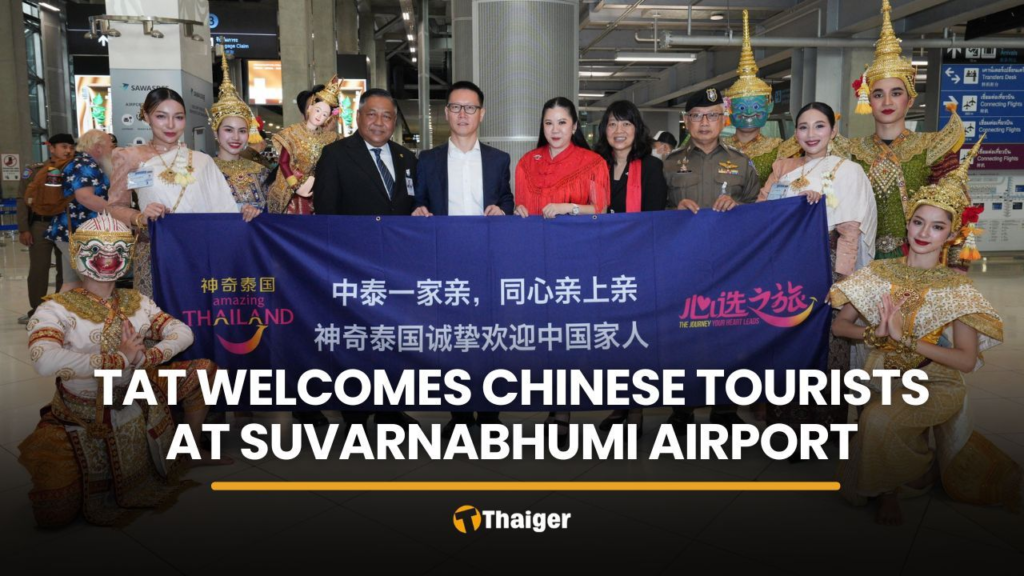
The reception took place at Suvarnabhumi, where TAT organised activities to greet travellers arriving from Shanghai, China. Those taking part in the welcome included TAT Governor Thapanee Kiatphaibool and Patanong Na Chiang Mai, TAT Deputy Governor for Asia and the South Pacific markets.
Also attending were Yang Xiaolong, Cultural Counsellor at the Embassy of the People’s Republic of China in Thailand; Pol Lt Gen Saksira Pueak-am, Commissioner of the Tourist Police; and Kannika Premprasoet, Deputy Director of Suvarnabhumi Airport (Operations 2).
Thapanee said the Chinese New Year is an important tradition with deep meaning for Chinese communities worldwide. She added that Thailand is seen as one of the biggest Chinese New Year hosts outside of China.
TAT also reported that between 1 January and 15 February 2026, a total of 770,427 tourists from China entered Thailand, as the country moved into the month associated with Chinese New Year celebrations.
According to TAT, the trend in Chinese arrivals has shown improved signs, reaching 30,000 visitors per day. The agency forecast that during the Chinese New Year period from 13 February to 22 February around 241,000 Chinese tourists would travel to Thailand.
Similarly, back in December last year, long haul flights into Thailand surpassed 10 million for the first time. The UK also became the first European market to send over 1 million tourists to Thailand in 2025.
Chinese Traditions
This, she said, reflects the close relationship between Thai and Chinese people as they celebrate a period associated with happiness, warmth and positive beginnings. Proving, beyond doubt, that Thailand Prefers Chinese Tourists.
She said festive celebrations have been taking place across the country, reinforcing a familiar phrase: “Zhong Tai Yi Jia Qin, China and Thailand are one family,” which reflects long-standing ties spanning culture, daily life and travel between the two countries.
Money Matters in Thailand
Ultimately, everything in Thai tourism circles back to money. Lavish welcomes are extended to those who spend—or are perceived to spend—the most. Yet the visa restrictions and reliance on prepaid tours suggest a system that celebrates appearances while limiting deeper economic gains.
Visa Contradictions
Thailand’s visa policies add another twist. While Malaysia, the Philippines, and Singapore offer generous 90‑day stays, Thailand restricts most tourists to 30 days. The logic, officials say, is to curb misbehaviour—drunkenness, disrespect at temples, or public disturbances.
But this reasoning falters. A drunk tourist will misbehave whether their visa is 10, 30, or 90 days. Blanket restrictions punish well‑behaved visitors while failing to deter misconduct.
Thailand’s approach contrasts sharply with its neighbours, raising questions about whether short visas truly serve the nation’s interests.
Thailand’s Tourist Priorities: Courting Chinese Visitors
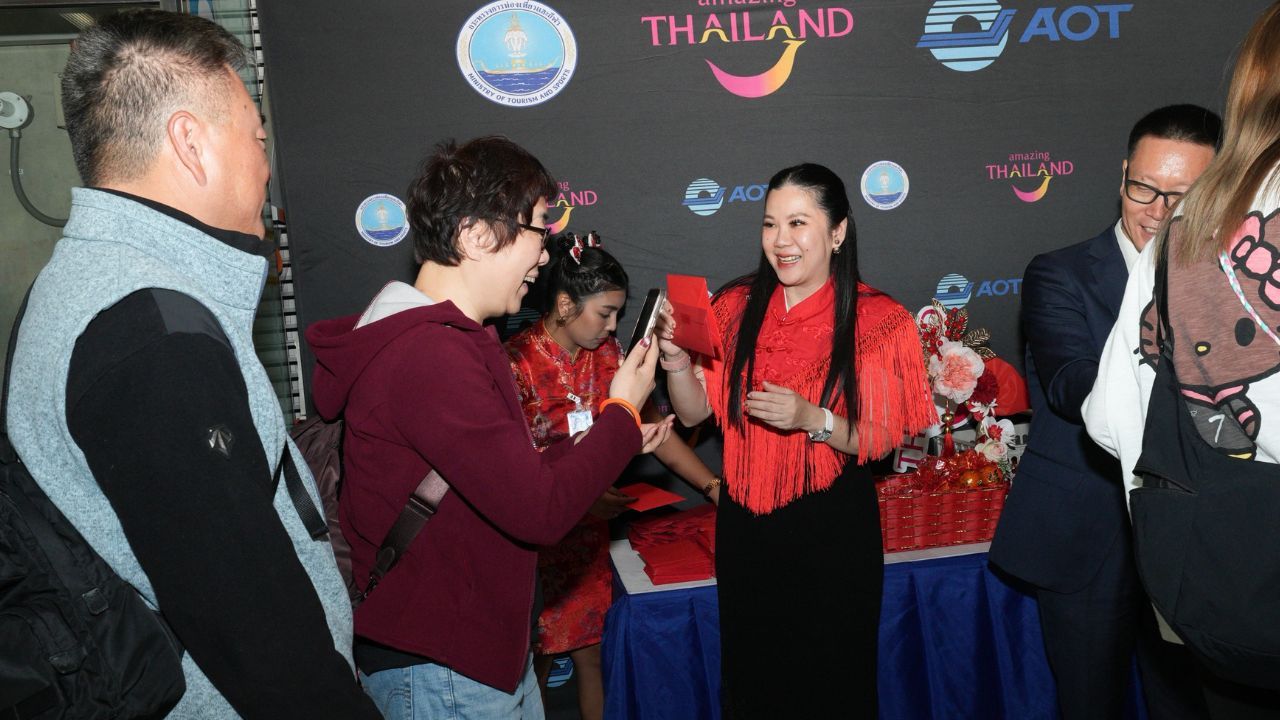
Clearly showing that Thailand prefers Chinese tourists, Thailand’s Tourism Authority (TAT) staged a lavish welcome for all the Chinese visitors aboard the Thai Airways and Spring Airlines flights from Shanghai on 17 February 2026
Complete with banners, flowers, and smiling officials. The message was clear: Chinese tourists are not just wanted–they are prioritised.
Yet behind the warm greetings lies a more complex reality. Many Chinese visitors arrive on prepaid package tours, often organised by Chinese‑Thai businesses. The money circulates within their own networks, meaning Thailand gains little in foreign currency.
The benefits are indirect—employment for drivers, hotel staff, and guides—but the financial balance tilts heavily towards the tour operators.
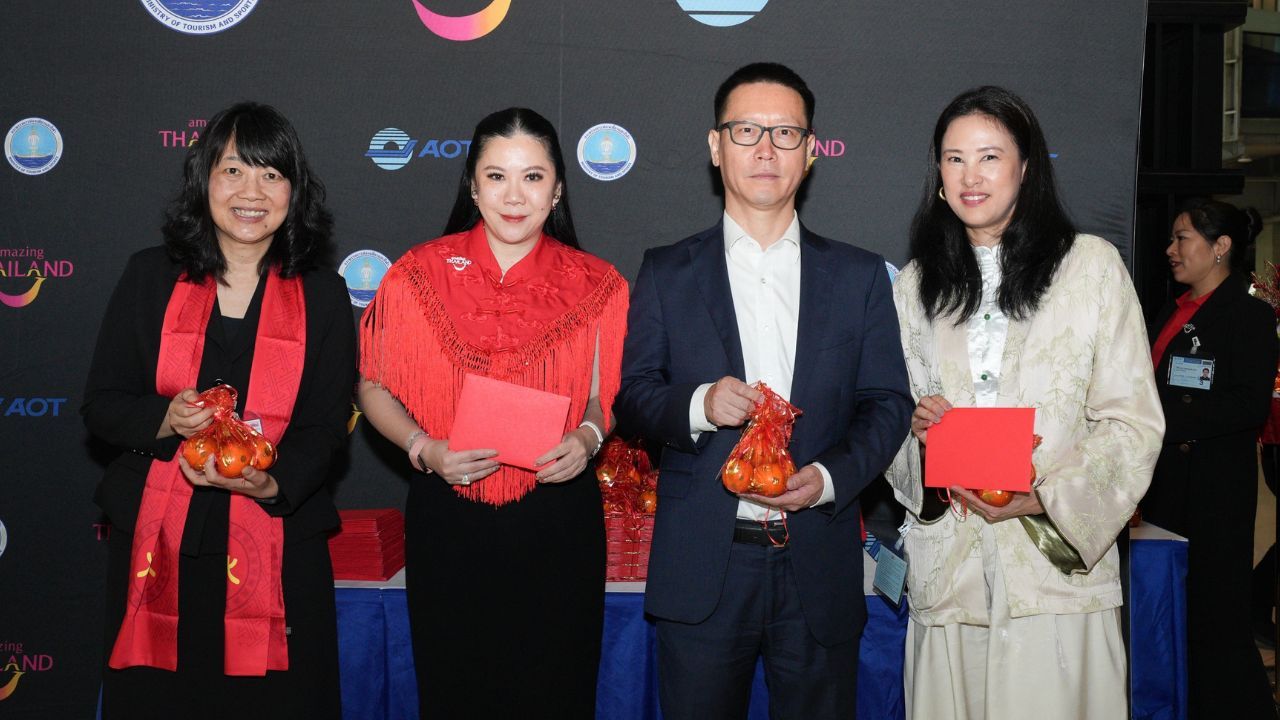
Thailand Prefers Chinese Tourists. What is Not Reported
Most of the group tours from China are prepaid in Chinese currency before the tourists leave their country. Thailand doesn’t, therefore, gain any foreign currency.
On arrival, Chinese tourists are taken to hotels. restaurants, and shops owned by Chinese-Thais. These are rich elite Thais running businesses in Thailand, they have Thai ID cards but, in their heart of hearts, are very much Chinese not Thai.
Cultural Connections
Although I have lived in Chiangmai province for most of my 20-years in Thailand, I have Chinese friends in Bangkok and spent many a pleasant and enjoyable evening with them. As soon as we entered their home, you sensed a friendly Chinese atmosphere.
The furnishings were Chinese, the food was Chinese. you’d be forgiven for thinking you were still in Thailand.
Their homes, food, and traditions remain distinctly Chinese, even while they are fully integrated into Thai society. This dual identity enriches Thailand’s cultural landscape, but it also underscores how strongly Chinese visitors and residents maintain their heritage.
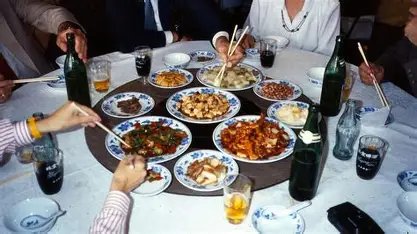
The middle section, the Lazy Susan, revolves so that you can select the dish you want to put on your plate. All the time, enjoying friendly conversation while eating and drinking.
Government Reaction to other Nationalities
Although wanting to increase tourist revenue coming into the country, everything is about money in Thailand, current government ministers have removed the previously available 60 day visas, which will result in those tourists wishing to stay longer spending less. The new rules are obviously counter-productive.
Thailand Prefers Chinese Tourists. Visa Contradictions
Thailand’s visa policies add another twist. While Malaysia, the Philippines, and Singapore offer generous 90‑day stays, Thailand restricts most tourists to 30 days. The logic, officials say, is to curb misbehaviour—drunkenness, disrespect at temples, or public disturbances.
But this reasoning falters. A drunk tourist will misbehave whether their visa is 10, 30, or 90 days. Blanket restrictions punish well‑behaved visitors while failing to deter misconduct.
It’s true most visitors spend only 30 days here. Most have jobs to go back to in their home countries and can’t take extended leave. But, some are retired, have money to spend, and are happy to spend it in Thailand.
For most genuine visitors from western countries, Malaysia offers a 3 month visa, Philippines grant 6 months, and Singapore 90 days. Nationals from some countries may noy be able to get such generous visas. Singapore, for example, will not give long-stay visas to Indians.
Some critics of the new Thai law on stays of longer than 30 days have rightly pointed out that it’s still possible to extend the 30 day stay to 60 days by going to an immigration office or getting a long-stay visa from a Thai embassy in your home country before travelling.
That’s true. But who wants to spend a day going to government offices, standing in line, and even then paying for the privilege of getting a visa which will allow you to spend your hard-earned cash in your holiday destination.
One would have thought Thais would welcome your spending more spending money in their country.
Thailand’s Neighbours
From podcasts I’ve seen today, there are others who have changed their minds and will now spend their extended holidays in Malaysia, Philippines, and Singapore.
Thailand’s approach contrasts sharply with its neighbours, raising questions about whether short visas truly serve the nation’s interests.
For most genuine visitors from western countries, Malaysia offers a 3 month visa, Philippines grant 6 months, and Singapore 90 days. Nationals from some countries may noy be able to get such generous visas. Singapore, for example, will not give long-stay visas to Indians.
Thailand Prefers Chinese Tourists. The Government Logic
Because some tourists misbehave by, for example , getting drunk, urinating in the street, dressing inappropriately at temples, and seemingly starting arguments in public places; the Thai government has reacted by limiting the time they can stay in Thailand to 30 days.
Thai logic doesn’t seem to accept that tourists who misbehave will do so however long the visa allows them to stay in Thailand. They’d behave that way if their visa was for 10 days, 30 day, or 90 days.
Some criminals have used a tourist visa to get into Thailand to set up illegal businesses or to engage in drug-dealing. Only a small number fall into that category. It would be more logical for police and immigration to more carefully vet such people than issue a carpet ban on 60 day visas.
What do readers and followers think? Comments are always welcome on my blog posts.
Money Matters in Thailand
Ultimately, everything in Thai tourism circles back to money. Lavish welcomes are extended to those who spend—or are perceived to spend—the most. Yet the visa restrictions and reliance on prepaid tours suggest a system that celebrates appearances while limiting deeper economic gains.
About Me – Understanding Thailand
Invitation to Readers
Do you think Thailand’s tourist policies favour one nationality at the expense of others? Share your thoughts in the Comments section—your perspective adds to the conversation.
