

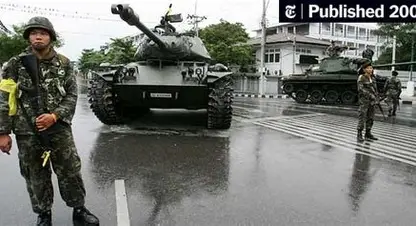
Who Ordered the Coup? I explain my personal sources. Behind the scenes: a bank, a pharmacist, a parachute instructor, and a Thai general.
Although I had visited Thailand several times during the three years before emigrating from the UK on 26 October 2006, I was completely naive about how the country was governed. What follows is the curious relevance of a bank, a pharmacist, a parachute instructor, and a Thai general to the question, “Who Ordered the Coup”.
The Relevance of a Bank, a Pharmacist, a Parachute instructor, and a Thai General
A Bank
On arriving in Thailand, I opened an account with HSBC and deposited the funds I would need to live here long term. Customers with large deposits were treated like royalty. Ushered into the VIP suite, I could sit comfortably watching videos and leafing through glossy magazines — a palace of polished privilege.
A Pharmacist
It was in this plush setting that a well-dressed Thai gentleman approached me. In impeccable English, he introduced himself as a pharmacist. Noticing my slight cough, he offered to bring medicine the next time he visited the bank.
True to his word, he returned the following week with the medication. Offering his gift, he remarked.
“I hope you’re not worried about the coup. These things happen regularly in Thailand as we strive to make the country democratic.”
His comment seemed reasonable. After all, Thailand had become a constitutional monarchy in 1932 through a bloodless coup, ending absolute monarchy. England had undergone a similar transformation in 1688. Thailand, it seemed, was forging its own path toward democracy.
But then came the pharmacist’s provocative pronouncement:
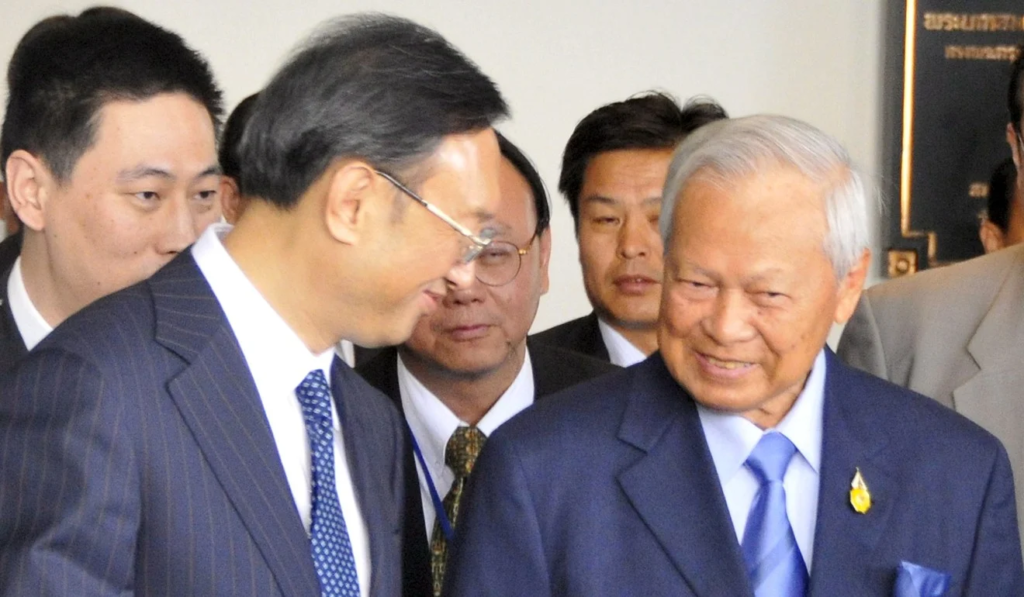
“Although Prem Tinsulanonda, head of King Bhumibol’s privy council, masterminded the coup, it was Queen Sirikit who ordered the coup. All Thais know that.”
I knew enough about Thailand’s lèse majesté laws to realise this was dangerous talk. Was he trying to entrap me? Perhaps he was right, perhaps not — but I wasn’t going to risk commenting. I returned the medicine, and we never met again.
A Parachute Instructor
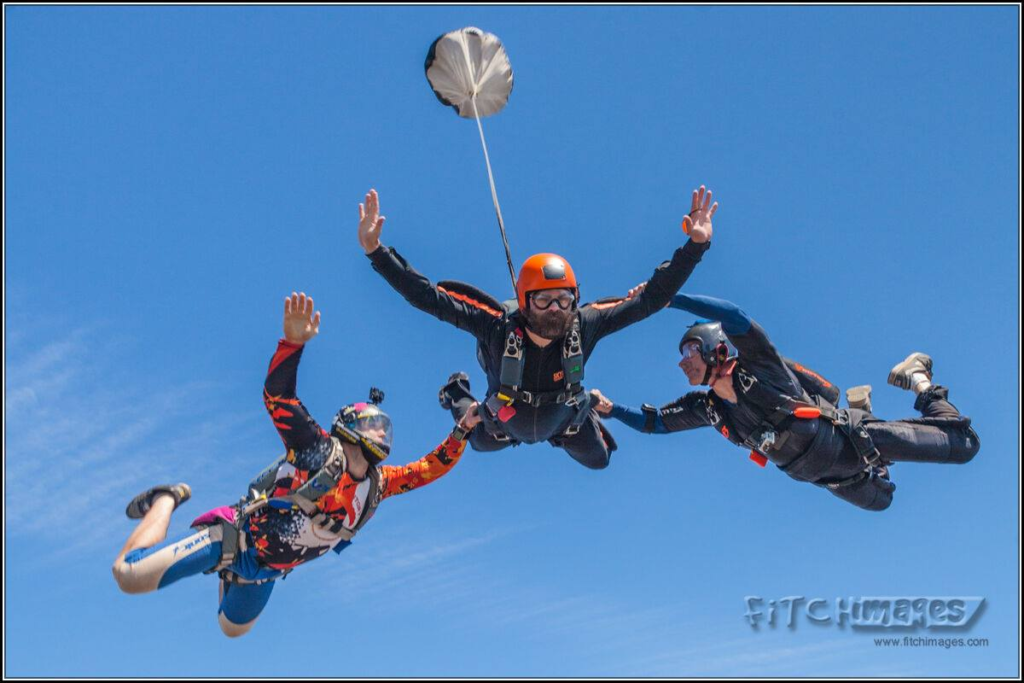
Years later, when I moved from Bangkok to Mae Rim, I rented a small house from a special forces parachute instructor. His own home was just 200 metres away. Patriotic but not xenophobic, he was excellent company.
One evening, over drinks with him and his former commanding officer, I casually mentioned the rumour I had once heard from that pharmacist in the bank.
A Thai General.
The officer was no ordinary man — he was a full General in the Thai army’s special forces. My neighbour had reported directly to him, without intermediaries, which was unusual.
When I repeated the pharmacist’s claim, both men exchanged a look. No words were spoken, but their silence was telling. In Thailand, silence can be confirmation — a glance that gives away the guarded truth.
Conclusion
Who ordered the coup? In Thailand, silence often speaks louder than words. A glance, a pause, a shared look can reveal more than any statement. I learned that to understand this country, we must read faces as carefully as history — a lesson in looks, not language.
Readers may be interested in this external link and my profile , where I explain my methodology of writing about true aspects of Thai culture.
If CTRL and click doesn’t work, try copying the address and pasting into your browser.
Freedom in the Thai Context
Freedom in Thailand is not always understood in the same way as in Western liberal democracies.
Rather than being framed primarily as the individual’s right to act without interference, Thai notions of freedom are often bound up with harmony, responsibility, and respect. The Buddhist emphasis on compassion and the avoidance of suffering encourages people to see freedom less as personal licence and more as the ability to live peacefully within a community.
In this sense, freedom is relational: it exists when social bonds are preserved and conflict is minimised. This perspective also reflects Thailand’s long history of monarchy and village life, where loyalty and collective identity have been central. To act “freely” in a way that disrupts unity or causes others to lose face is often judged negatively.
Freedom, therefore, is tempered by obligation — to family, to elders, and to society at large. It is not that Thai people lack a desire for autonomy, but that autonomy is balanced against the need for social equilibrium.
Who ordered the Coup? The coup, and the debates surrounding it, highlight this tension. Calls for freedom of speech and political participation are strong, yet they are weighed against fears of disorder and division. For many, true freedom lies not in absolute independence but in the assurance that society remains stable and respectful.
Understanding this cultural lens helps explain why the meaning of freedom in Thailand can appear paradoxical: it is both cherished and constrained, celebrated and circumscribed.
Historical Context of Thai Values
Historical Context of Thai Values
Thailand’s political story cannot be separated from its cultural foundations. Buddhist teachings have long shaped the way Thais view authority and order, emphasising compassion, karma, and the avoidance of conflict. These values encourage patience and acceptance, even in turbulent times.
Alongside Buddhism, the monarchy has been central to national identity, symbolising unity and continuity. Respect for the king and the institution of monarchy has historically reinforced loyalty and stability, even when governments have changed.
Village traditions also play a role: collectivism, mutual support, and harmony are prized, creating a social fabric where the group often takes precedence over the individual. Understanding these historical influences helps explain why coups, though disruptive, are often rationalised as necessary to preserve unity rather than condemned outright as violations of freedom.
Modern Challenges and Globalisation
Thailand today faces pressures that test these traditional values. Globalisation and youth culture introduce new ideas about freedom, individuality, and rights. Social media platforms amplify voices that challenge authority, creating spaces where dissent can flourish. At the same time, digital censorship and surveillance remind citizens that freedom online is not absolute.
Political movements, especially among younger generations, demand greater transparency and accountability, often clashing with older notions of respect and deference. These tensions reveal a society negotiating between tradition and modernity. The coup becomes part of this struggle: for some, it is a safeguard against chaos; for others, it is a denial of democratic freedoms.
Many Thais would never dream of asking, “Who ordered the coup”.
The push and pull between these perspectives illustrates how Thai values are being reshaped in the digital age.
Comparative Perspectives
Placing Thailand alongside its neighbours and Western democracies highlights the uniqueness of its values. In Laos and Cambodia, similar traditions of collectivism and respect for authority exist, but Thailand’s strong monarchy and vibrant civil society make its balance between freedom and order distinctive.
Compared with Western liberalism, Thai freedom appears paradoxical: it is cherished but constrained, celebrated yet circumscribed. Western models emphasise individual rights, while Thailand often prioritises social harmony. This difference does not mean one system is less valid; rather, it underscores how freedom is culturally constructed.
By examining Thailand in comparative perspective, readers can see that the coup is not simply a political event but part of a broader dialogue about how societies define and defend freedom.
Prem Tinsulanonda – Wikipedia
About Me – Understanding Thailand
Chinese Tourists in Thailand